


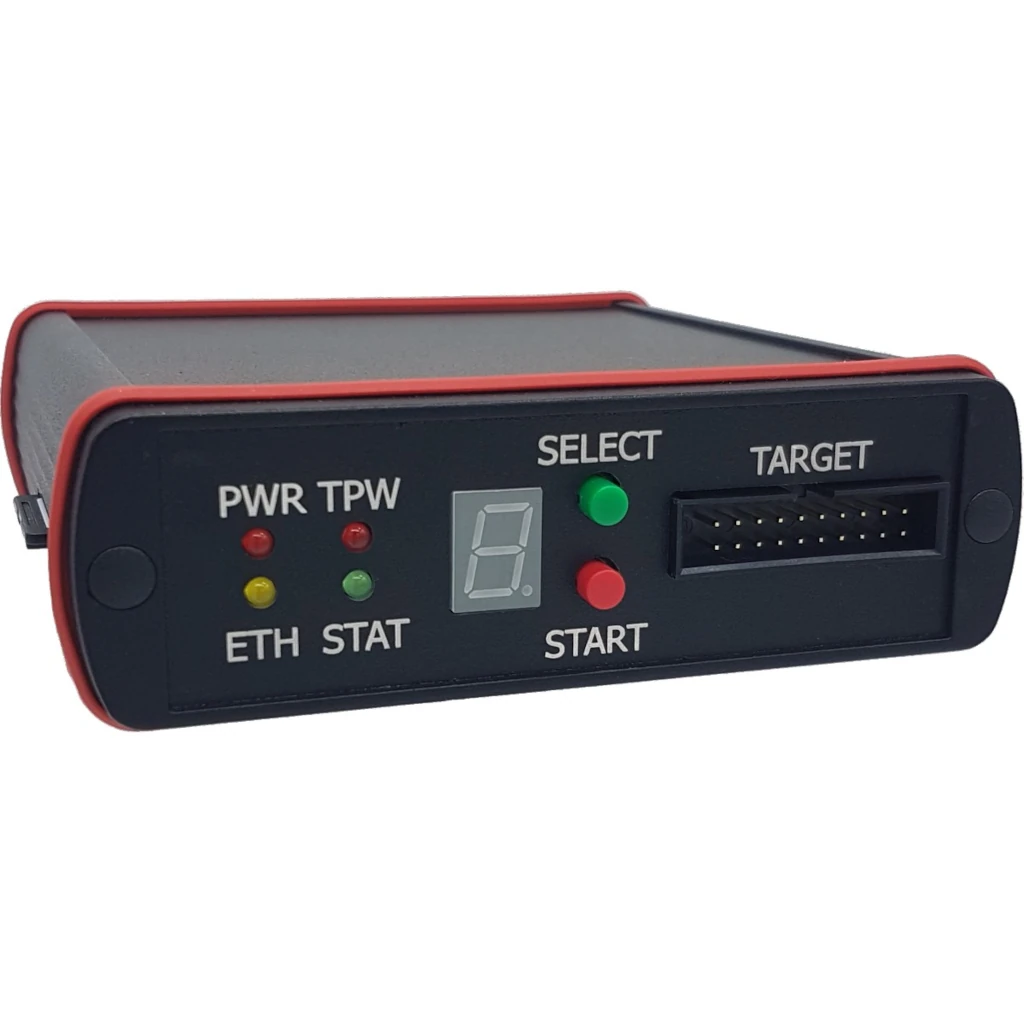
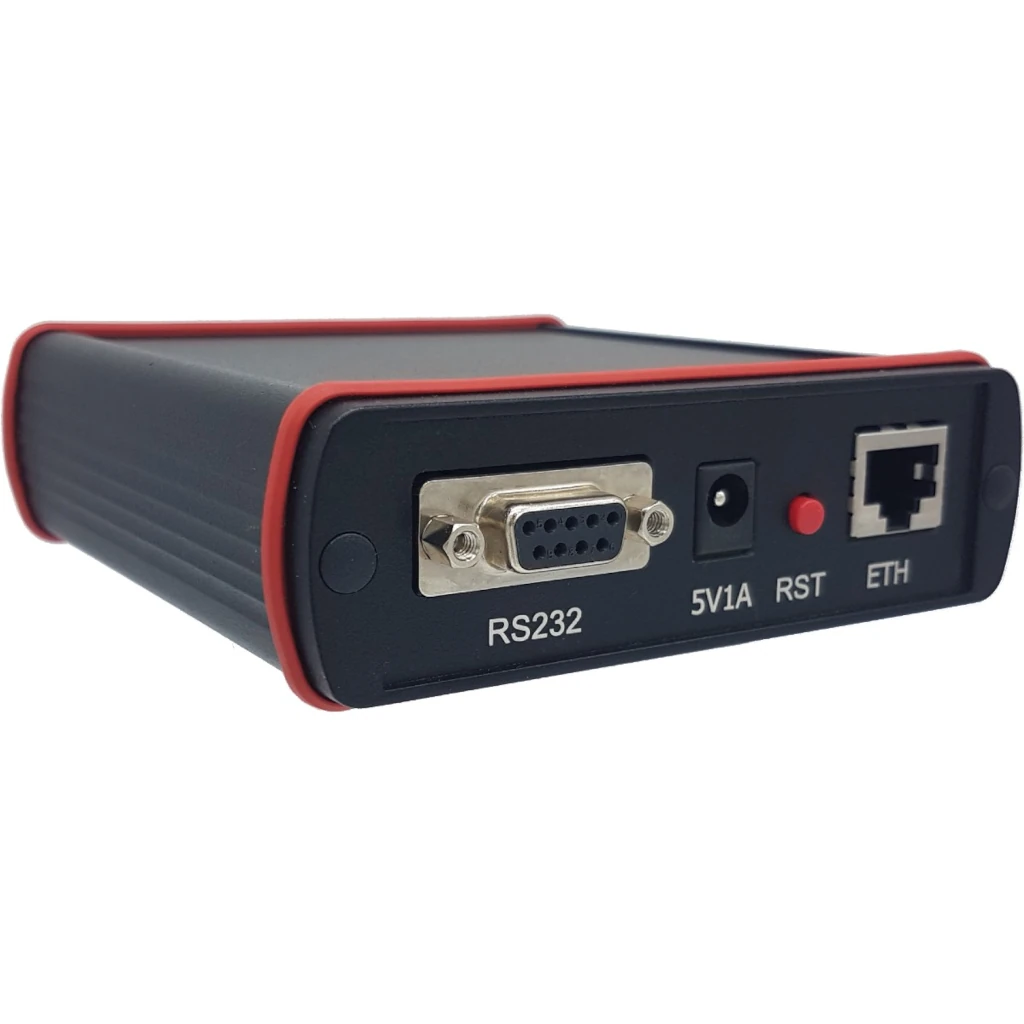
Supported Target Families:
- Cortex-A72 (ARMv8, 64-bit): LX2160A
- Cortex-A55 (ARMv8, 64-bit)
- Cortex-A53 (ARMv8, 64-bit): LS1012A, LS1043A, i.MX8M, Xilinx Zynq Ultrascale, BCM2837, Hi6220
- Cortex-A15: OMAP5432
- Cortex-A9: OMAP4430, AM4378, i.MX6, i.MX6 SoloX, Xilinx Zynq, Altera Cyclone V
- Cortex-A8: OMAP3530, i.MX50, i.MX51, i.MX53
- Cortex-A7: i.MX7, LS1021A, ADSP-SC589
- Cortex-A5: ATSAMA5D3X
- Cortex-A, Cortex-M: NEON/VFP register support
- Cortex-M33: Renesas RA4M3
- Cortex-M23: Renesas RA2L1
- Cortex-M7: Atmel SAM V70, SAM V71, NXP i.MXRT1020, i.MXRT1050, i.MXRT1060, i.MXRT1064
- Cortex-M4 (JTAG/SWD): NXP Kinetis K10, K20, K40, K60, K70; Atmel SAM4; NordicSemi nRF5
- Cortex-M3 (JTAG/SWD): STM32, SAM3, LPC13xx, LPC17xx, LM3S, Actel Smart Fusion A2F200 and A2F500
- Cortex-M0 (JTAG/SWD): LPC1XXX
- Cortex-M: SWO Stimulus trace and Profiling support
- Cortex-R4F: TMS570
- ARM7TDMI: ARM710T, ARM720T, ARM740T, AT91SAM7, LPC2000, MAC7100, STR7, TMS470, ADuC7034
- ARM9TDMI: ARM920T, ARM922T, ARM926EJS, ARM940T, ARM9E, ARM946E, ARM966ES, STR9, i.MX233, i.MX25, i.MX27, TMS320DM355, TMS320DM6446, OMAP L138
- XSCALE: PXA255, PXA270, PXA303, PXA320, IXP425, IXP460, IXP465
- ARM11: ARM1136, ARM1156, ARM1176, i.MX31, i.MX35
- Power Architecture:
MPC5200, MPC5121, MPC5123, MPC5125
MPC55xx: MPC5510, MPC5514, MPC5517, MPC5534, MPC5553, MPC5554, MPC5565
MPC56xx: MPC5566, MPC5567, MPC5634M, MPC5644A, MPC5675
MPC57xx: MPC5745R
Support for SPE and VLE instruction sets - Power Architecture QUICC II: MPC83xx, MPC8313, MPC8315, MPC8321, MPC8343, MPC8347, MPC8349
- Power Architecture QUICC III: MPC85xx
- Power Architecture QorIQ: P1010, P1020, P2040, P4080, BSC9131
- Power Architecture QorIQ, e5500 64-bit: T1040
- Power Architecture QorIQ, e6500 64-bit: T2080, T4240
- PowerPC: PPC405, PPC440, APM82xx
- COLDFIRE: MCF52XX, MCF53XX, MCF54XX
- Analog Devices BLACKFIN: BF522, BF525, BF527, BF531, BF532, BF533, BF534, BF535, BF536, BF537, BF538, BF539, BF542, BF544, BF548, BF549, BF561A, BF561B, BF592, BF60x
- MIPS32: PIC32, ADM5120, RT3050, Atheros AR6001XL, AC494E
- MIPS64: Cavium Octeon CN5020
- AVR32: AVR32AP7, AVR32UC3
Multi Core support
- multicore CPUs supported without extra license
- simultaneously debugging or programming of multiple boards requires an extra license
- multicore programming of NAND Flash devices is not supported
- an adapter controls automatically up to 4 target boards
Built-in debugger support:
- All GNU gdb based: Eclipse, Insight, ddd
- Code Confidence Tools for eCos
- eCosCentric eCosPro Developer’s Kit
Linux Kernel and applications debugging
OS awareness – “info threads” support for many OS: Linux, uClinux, eCos, …
Target Reset control and remote reset detection
Hardware and Software Breakpoints
Blackfin virtual memory support – enables a linear programming and access to a device that is bigger than the visible external asynchronous memory space
Built in FLASH Programmer:
- download images from TFTP, FTP, HTTP server or MMC/SDcard
- telnet command line interface
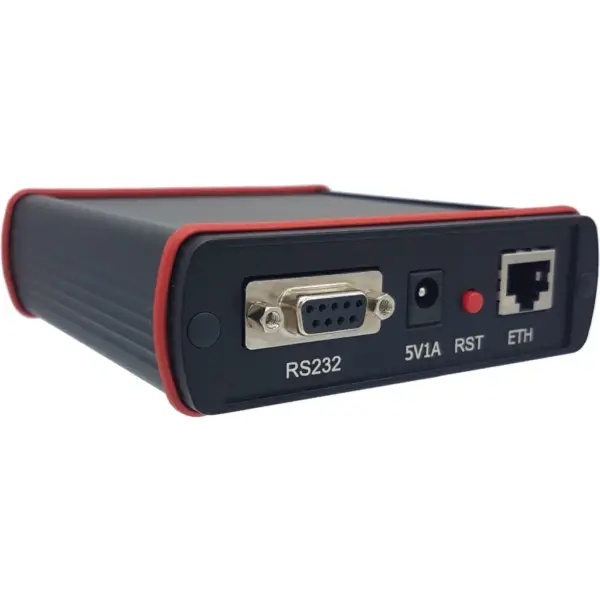
- serial command line interface
- TCL scripts (example: https://download.ronetix.at/peedi/cfg_examples/cortex-m/stm32.cfg)
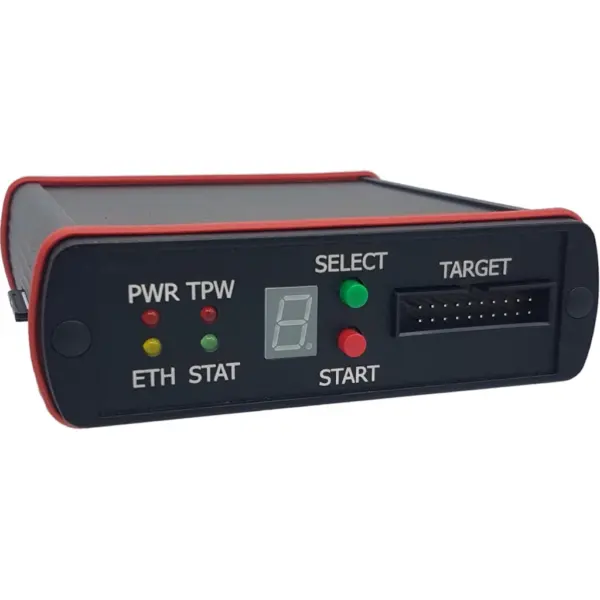
- front panel interface: 2 buttons and 7-segment LED
- can be used as Standalone FLASH programmer without host – the file images are stored on MMC/SD card and controlled via front panel interface
- up to 15 file images can be selected on the front panel
- auto FLASH program after target power detect
- multi FLASH support – up 4 devices per core
- unique serial number support
Supported Flash devices:
- NOR Flash – all available devices (with and without CFI)
- SPI NOR Flash and SPI DataFlash:
- TI J7200 DRA821 Jacinto™
- Renesas RZG2UL
- NXP QSPI, FSPI, ECSPI, ESPI
- NXP i.MX6, i.MX6SX, i.MX6UL, i.MX7, i.MX23
- NXP T1020, T1040, LS1012A, LX2160A, RT1020
- LPC2000
- Xilinx Zynq
- Raspberry Pi RP2
- Analog Devices Blackfin BF52x, BF54x
- Microchip SAMA5D35, SAM9X25, SAM9X35
- Atmel AT91SAM9261, AT91SAM9263, A91RM9200, AT91SAM7
- I2C EEPROMs
- FPGA/CPLD devices (JBC Player)
- NAND Flash with various ECC methods
- OneNAND Flash
- MMC/SD, eMMC support:
- NXP i.MX35, i.MX6, i.MX8M
- NXP i.MX93, LX1021A
- TI OMAP3, OMAP4, OMAP5, AM33xx
- MCUs:
- Actel Cortex-M3 SmartFusion A2F series
- Analog ARM7 ADuC7 series
- Atmel Cortex-M3 SAM3 series
- Atmel Cortex-M4 SAM4 series
- Atmel Cortex-M7 SAM V7x series
- Atmel AVR32 AT32UC series
- Atmel ARM7 AT91SAM7 series
- Atmel ARM9 AT91SAM9XE series
- EnergyMicro Cortex-M3 EFM32
- Freescale Cortex-M4 Kinetis series
- Freescale ARM7 MAC7xxx series
- Freescale ARM7 MC13220 series (MC13224)
- Freescale Coldfire 2 MFC2xxx series
- Freescale Power MPC55xx series
- Freescale Power MPC56xx series
- Freescale Power MPC57xx series
- Nordicsemi nRF51, nRF52
- NXP Kinetis series
- NXP ARM7 LPC2xxx series
- NXP ARM9 LPC29xx series
- NXP Cortex-M0 LPC11xx series
- NXP Cortex-M3 LPC17xx series
- NXP Cortex-M4 LPC40xx series
- NXP Cortex-M4 LPC43xx series
- NXP Cortex-M4 LP541xx series
- NXP Cortex-M7 i.MXRT1060
- Texas Instruments ARM7 TMS470 series
- Luminary Cortex-M3 LM3S/Stellaris series
- Microchip MIPS32 PIC32 series
- Renesas RA2L1, RA4M3 series
- ST Cortex-M0/M1/M3/M4/M7 STM32 series (F0, F1, F2, F4, L0, L1, H7)
- GigaDevice Cortex-M GD32 series
- ST ARM7 STR7 series
- ST ARM9 STR9 series
(NAND Flash, CFI NOR Flash and SPI Flash devices are automatically detected)
- Note: multicore programming of NAND Flash devices is not supported

 No products in the cart.